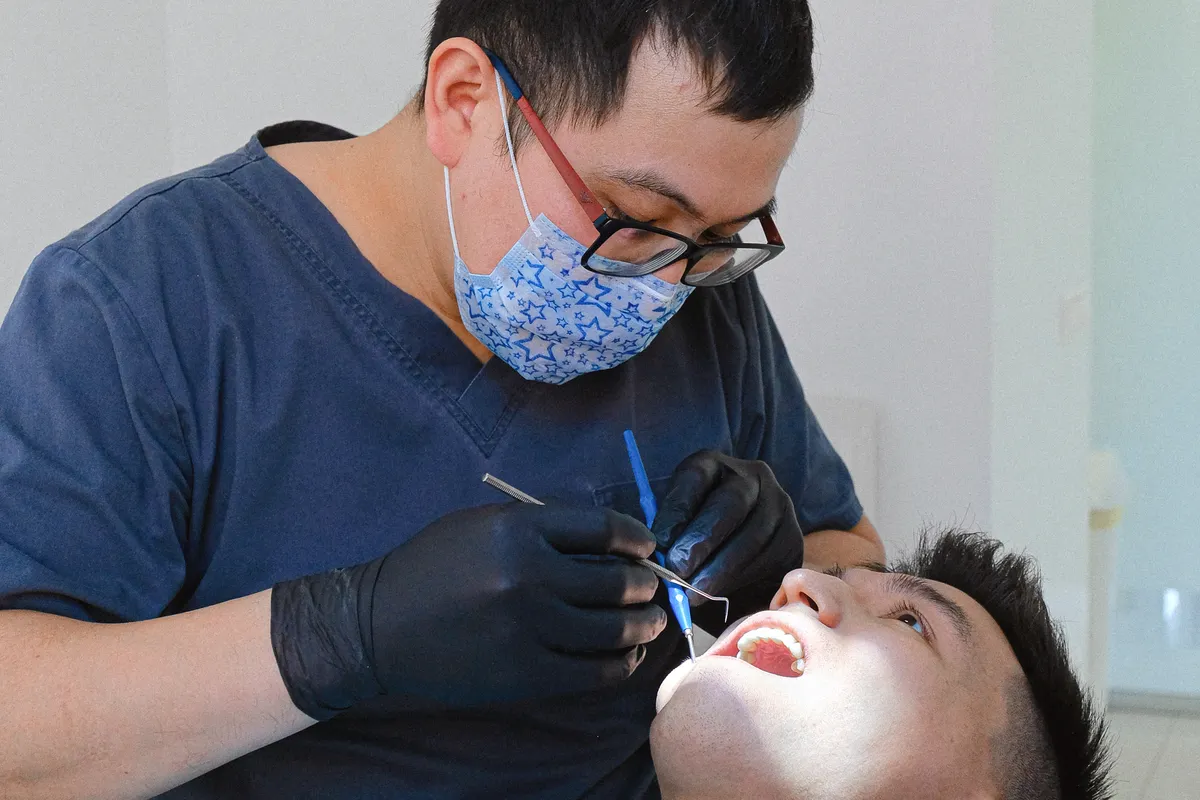
Bleeding while brushing can be an early sign of gum inflammation. Plaque along the gumline is a common cause, but bleeding can have other causes. A dental professional can examine your gums and explain what is happening.
What Causes Bleeding Gums
Plaque Buildup
Plaque is a sticky layer of bacteria. It forms on your teeth every day. When plaque sits on your gums, it irritates them. Irritated gums become swollen and tender. They bleed easily.
Poor Brushing
Brushing too hard can irritate your gums. If they keep bleeding even with a soft brush and gentle technique, ask a dentist to check.
Not Flossing
Floss removes plaque from between teeth. If you do not floss, plaque builds up in those tight spots. Your gums get irritated and bleed.
Early Signs of Gum Disease
If you notice bleeding gums, it is time to pay attention. Many people ignore bleeding gums for months. That is a mistake.
When you look for gum disease treatment in Dacula, you are taking the right step. A professional can check if you have early gum disease.
Gum disease treatment near you is available at many dental offices. The earlier you get help, the easier it is to treat.
From Gingivitis to Periodontitis
Gingivitis
- Gums bleed when you brush or floss
- Gums may feel tender or swollen
- You might notice red gums instead of pink
- Bad breath may start
- There may be little or no pain
Gingivitis can often improve with professional cleaning and good daily care.
Early Periodontitis
- Bleeding may occur
- Gums pull away from teeth
- Small pockets form between gum and tooth
- Bone loss starts
This stage needs professional care. Home care alone is not enough.
Advanced Periodontitis
- Bleeding or swelling may occur
- Pockets get deeper
- Significant bone loss
- Teeth may become loose
- This can lead to tooth loss
A periodontist can assess advanced disease and discuss treatment.
What a Periodontist in Dacula Will Check
When you visit a periodontist, they will:
- Look at your gums closely
- Check for swelling and redness
- Measure the pockets along your gumline
- Take X-rays to see bone loss
- Ask about your brushing and flossing habits
- Check for other health problems that affect gums
How to Stop Gum Bleeding
Brush Correctly
- Brush twice a day with a soft brush
- Angle the brush toward your gumline at 45 degrees
- Use gentle circular motions
- Brush for two full minutes
- Do not scrub hard
Floss Every Day
- Floss at least once daily
- Go gently between teeth
- Slide the floss along the tooth surface
- Do not snap it into your gums
- Floss under the gum line gently
Ask About Mouthwash
- Ask if an antimicrobial rinse is appropriate for you
- Use it at the time and frequency your dentist recommends
- This kills some of the bacteria causing inflammation
- Ask your dentist which rinse is best
See Your Dentist
- Ask how often you need professional cleanings
- Some people need cleaning more often
- A professional removes tartar you cannot remove at home
- Early treatment can help prevent progression
When to See a Specialist
You should see a periodontist near you if:
| Signs | What It Means |
|---|---|
| Persistent or recurring bleeding | May mean active gum disease |
| Swollen gums that feel tender | May indicate inflammation or infection |
| Gums pulling away from teeth | May indicate gum recession |
| Deep pockets along the gum line | Can be associated with loss of support around teeth |
| Loose teeth | Can be a sign of lost tooth support |
| Pus or drainage from gums | Seek prompt dental assessment for possible infection |
Your Gums Matter More Than You Think
Your gums hold your teeth in place. If your gums are sick, your teeth are at risk. Bleeding gums are a message. Do not ignore them.
Early assessment can help identify problems before more tooth support is lost.
Quintero Periodontics is ready to help you keep your gums healthy. Their team can examine your gums, explain what is happening, and create a treatment plan. If your gums are bleeding, reach out to Quintero Periodontics to book an appointment today.
FAQs
Does bleeding of the gums mean gum disease?
Bleeding can be a sign of gum disease, but other causes are possible. Have persistent bleeding assessed.
Can I fix bleeding gums by brushing more?
Brush gently with a soft toothbrush and clean between your teeth. See a dentist if bleeding persists or recurs.
Will gum disease go away on its own?
Gingivitis can improve with effective care. Periodontitis needs professional assessment and treatment.
Can a periodontist save my teeth if I have gum disease?
Treatment can help preserve teeth, depending on how much support remains. A periodontist can explain your options.
Does gum disease hurt?
Not usually. Many people do not feel pain until the disease is advanced.