Have you ever asked yourself why the process of fixing a missing tooth is not just about giving your smile back? This is because dental implants in Dacula, Georgia, not only allow you to get a new tooth, but they also help to restore some support to the jawbone that the replacement tooth does not provide. Because the bone that surrounds the teeth stops receiving the same pressure that the teeth would cause when chewing due to the loss of the teeth, the shape of the face can be affected in the long run.
What Happens to the Jaw After Tooth Loss?
A missing tooth leaves a space in the jaw. The bone in that area may gradually become thinner because it is no longer supporting a tooth root.
This change can affect more than the missing tooth. Over time, reduced bone support may contribute to changes in:
- The shape of the jaw
- Support around the lips and cheeks.
- The appearance of the lower face
- The position of nearby teeth
The change can vary for each person and may depend on the number of missing teeth and overall oral health.
How Do Dental Implants Support the Jaw?
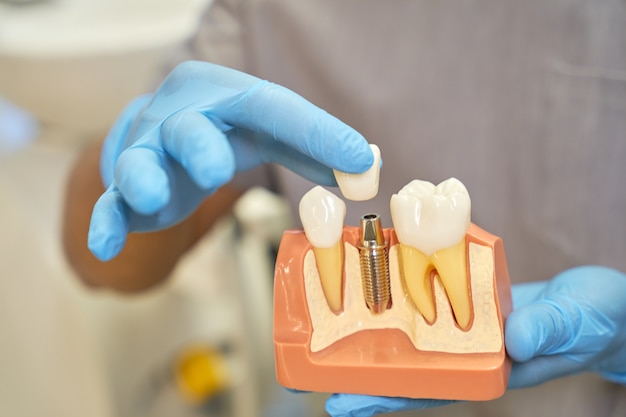
Unlike removable replacements, a dental implant uses a small post placed in the jawbone to support the replacement tooth.
The implant acts as an artificial tooth root. Once the area has healed and the replacement tooth is attached, normal biting forces can be transferred through the implant to the surrounding bone.
This can help provide support to the area where a natural tooth root was previously present.
Why Is Jawbone Support Important for Facial Structure?
The jawbone provides a foundation for several facial features. When bone volume decreases after tooth loss, the tissues around the mouth may receive less support.
This does not mean that every person with missing teeth will develop major facial changes. However, long-term bone loss can contribute to changes in facial appearance.
Maintaining the underlying jaw structure can therefore be an important part of replacing missing teeth.
Can Dental Implants Prevent All Facial Changes?
No. Dental implants in Dacula can help support the jaw in the area where an implant is placed, but they cannot prevent every change related to aging, bone loss, or other health conditions.
The amount of bone available can also affect whether an implant can be placed immediately. In some cases, additional treatment may be needed before implant placement.
A proper assessment is necessary to understand the condition of the jaw and determine the appropriate treatment plan.
How Do Implants Compare With Other Tooth Replacement Options?
Different tooth replacement options serve different purposes. An implant-supported replacement is anchored in the jaw, while other options may rely on nearby teeth or rest on the gums.
Factors that may be considered include:
- Number of missing teeth
- Condition of nearby teeth
- Amount of available bone
- Gum health
- Overall oral health
- Personal treatment goals
A periodontist near you can assess these factors and explain which options may be suitable.
What Role Does a Periodontist Play?
A periodontist in Dacula can evaluate the gums and supporting bone around the teeth. This can be especially important when planning implants because healthy supporting tissues are needed for successful treatment.
An assessment may include checking:
- Gum health
- Jawbone condition
- Existing teeth
- Areas affected by tooth loss
- Bite and available space
This information helps create a treatment plan based on the condition of the mouth rather than using the same approach for every patient.
Can Dental Implants Help With More Than One Missing Tooth?
Yes. Dental implants near you can be used in several treatment situations, depending on the number and location of missing teeth.
A single implant may support one replacement tooth, while multiple implants may support several replacement teeth. In some cases, implants can also be used to support a bridge or another type of tooth replacement.
The appropriate design depends on the individual’s oral health and available bone.
How Does Implant Care Support Long-Term Results?
Taking care of your dental implant is important. The replacement tooth cannot get cavities, but the gums around it still need care.
- Brush twice a day
- Clean around the implant.
- Visit your dentist regularly.
- Follow cleaning advice
- Report any swelling, bleeding, or pain.
Good oral care helps keep your implant and gums healthy.
Restore Missing Teeth With Thoughtful, Long-Term Care!
Are you concerned about how missing teeth may affect your oral health and facial support over time? A detailed assessment can evaluate the condition of your gums, jawbone, and remaining teeth while helping determine whether implant treatment may be appropriate. Understanding the available options can make it easier to plan care that supports both function and long-term oral health.
Book an appointment with Quintero Periodontics to discuss your tooth replacement needs and receive personalized guidance.
FAQs
Can one missing tooth affect facial appearance?
A single missing tooth does not always cause a noticeable change in facial appearance. However, bone loss can occur in the area where the tooth was lost, which may affect local support over time.
Do dental implants stop jawbone loss completely?
Dental implants can provide stimulation to the bone around the implant area, but they do not stop bone changes in every part of the jaw. The result depends on individual circumstances.
Are implants suitable after a tooth has been missing for years?
They may be suitable, but the amount and condition of available bone need to be assessed first. Some cases may require additional treatment before implant placement.
Can dental implants support the lips and cheeks?
Replacing missing teeth can help restore the structure provided by teeth and their supporting tissues. The effect on facial appearance varies depending on the number and location of missing teeth.