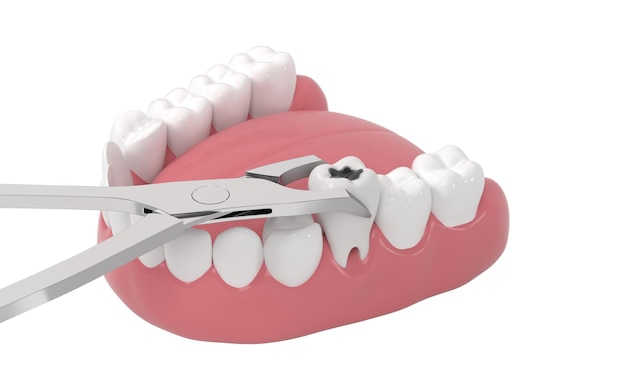
Dental treatment can feel stressful, but the body naturally heals after a tooth is removed. Once a dentist removes a damaged tooth, the area begins to repair itself right away, in a steady, natural way. Knowing the tooth extraction healing stages and timeline can help you feel more prepared and less worried during recovery.
What Happens During the First 24 Hours?
The initial day following your procedure lays the crucial foundation for all subsequent progress. During these critical hours, your body focuses on forming a stable blood clot inside the empty socket to shield the exposed bone and nerve endings.
- Clot Formation: A thick blood clot forms immediately, acting as a natural bandage over the treatment area.
- Minor Oozing: Experiencing a small amount of pinkish fluid or slight bleeding is entirely normal during the first day.
- Initial Swelling: Peak inflammation typically occurs during this phase, a standard biological response to minor oral surgery.
To ensure this stage progresses smoothly, carefully follow the precise tooth extraction aftercare instructions provided by your dental professional to prevent the clot from becoming dislodged.
How Does the Socket Change Over the First Week?
As you enter the second day and move through the first week, your body transitions from stopping the bleeding to actively building new tissue. Granulation tissue, which is a mix of new blood vessels and collagen, slowly replaces the initial blood clot.
- Days 2 to 3: Swelling generally reaches its maximum intensity and then gradually begins to subside.
- Days 4 to 7: The surgical site begins to look less red, and a specialized periodontist in Dacula will note that the gum tissue is beginning to close over the opening.
By the end of day seven, any minor discomfort should decrease significantly, and the soft tissues will look noticeably healthier.
What Occurs During Weeks Two Through Four?
By the second week, the external surface of your gums is well on its way to closing completely. While the surface looks mostly repaired, the deeper structures underneath are still working hard to regenerate.
- Tissue Closure: The edges of the gum tissue completely merge, effectively sealing the open socket from food particles.
- Suture Dissolution: If your practitioner utilized dissolvable stitches, they typically break down and disappear during this timeframe.
- Bone Matrix Formation: New bone cells begin laying down a fresh matrix where the old tooth root used to sit.
If you ever feel uncertain about how your gums are progressing during this month-long phase, consulting a trusted periodontist near you can provide valuable reassurance.
How Long Does the Entire Healing Process Take to Complete?
Patients frequently wonder how long it will take for the mouth to return to its original strength. When asking how long tooth extraction healing takes? The answer depends on whether you are looking at the gums or the underlying bone structure.
The gums usually heal in about 3 to 4 weeks. But the healing under the gums takes longer. The jawbone slowly fills in the space where the tooth was removed. In most cases, the bone takes 3 to 6 months to heal fully.
What Dietary Choices Support Your Recovery Process?
Fueling your body with the right nutrients accelerates tissue repair while protecting the delicate surgical site from mechanical damage. Choosing soft, easy-to-chew items prevents food from getting trapped in the healing socket.
When planning your meals, knowing what to eat after the tooth extraction healing process begins can make your recovery much more comfortable. Excellent options include:
- Smooth, lukewarm soups and broths packed with vitamins.
- Greek yogurt or cottage cheese for a healthy dose of protein.
- Mashed potatoes, avocados, and ripe bananas.
- Smoothies consumed directly from a glass, ensuring you avoid using straws completely to protect the blood clot.
When Should You Contact a Dental Professional?
Most healing goes well, but it’s important to watch your symptoms to avoid problems like dry socket or infection.
- Persistent Bleeding: If active crimson bleeding continues heavily beyond the first twenty-four hours.
- Severe Pain: If discomfort suddenly spikes or fails to respond to prescribed management strategies after several days.
- Fever or Chills: If you develop an elevated body temperature or notice a foul taste in your mouth.
For individuals who recently had a tooth extraction in Dacula, staying in close communication with your surgical team helps ensure any unexpected symptoms are managed promptly.
Schedule Your Consultation
If you need help or want a treatment plan, our team at Quintero Periodontics is here to support you.
Contact the clinic today to schedule a visit with an experienced dentist who cares about your comfort and long-term dental health.
Frequently Asked Questions
Can I brush my teeth normally right after the surgery?
You must avoid brushing the teeth directly adjacent to the surgical site during the first twenty-four hours to protect the delicate blood clot.
When can I return to my regular exercise routine?
Avoid heavy exercise for at least 3 days after the procedure. This helps prevent elevated blood pressure, which can lead to bleeding.
Why is using a straw prohibited during early recovery?
The suction created by a straw can easily dislodge the blood clot, leading to a painful condition known as dry socket.
Is smoking permissible while the gums are closing?
Smoking should be completely avoided for at least seventy-two hours because nicotine restricts blood flow and significantly delays the natural tissue repair process.